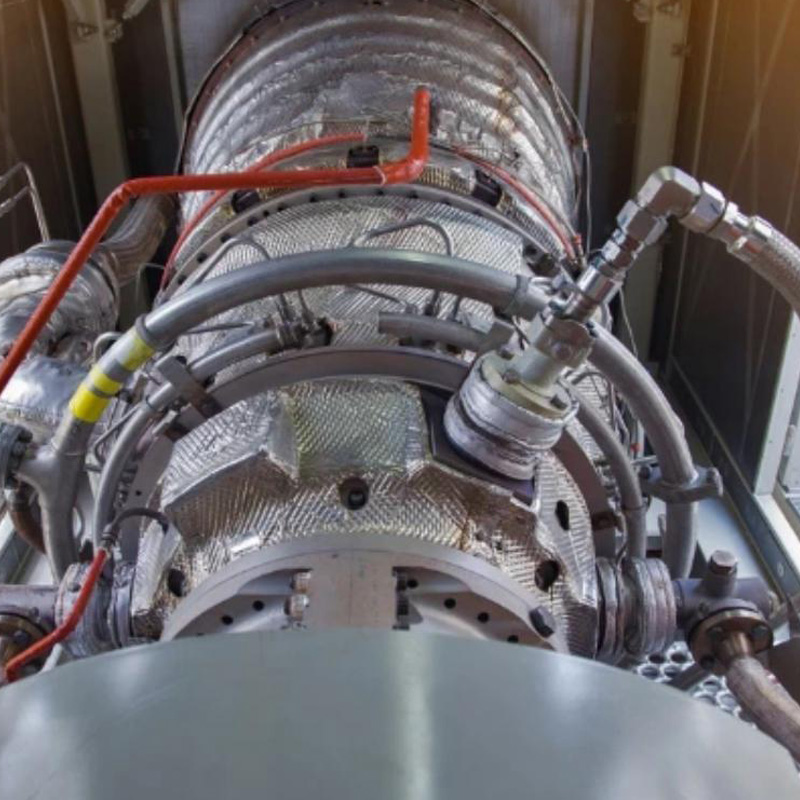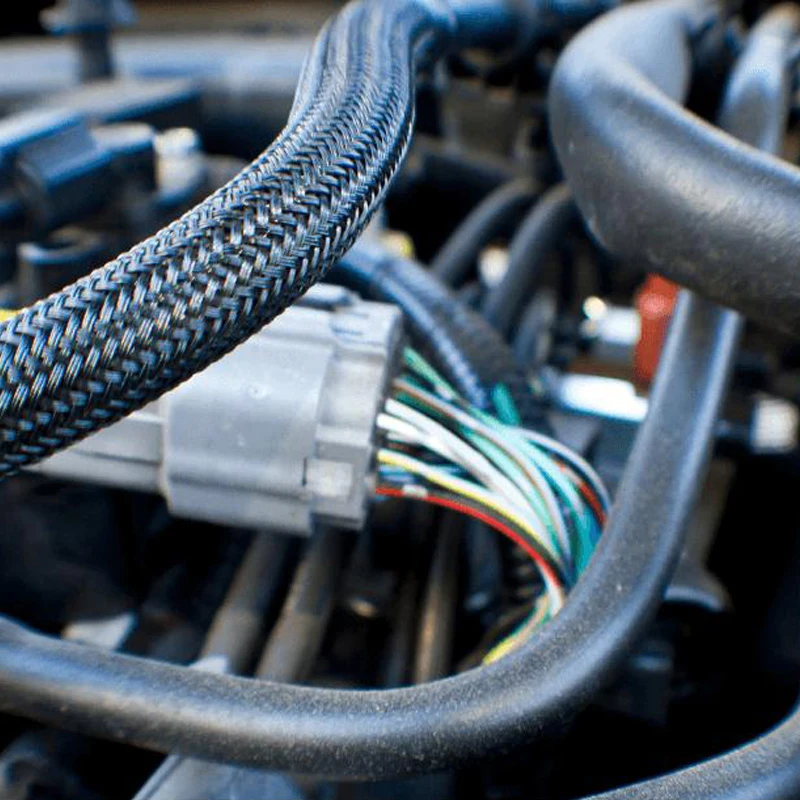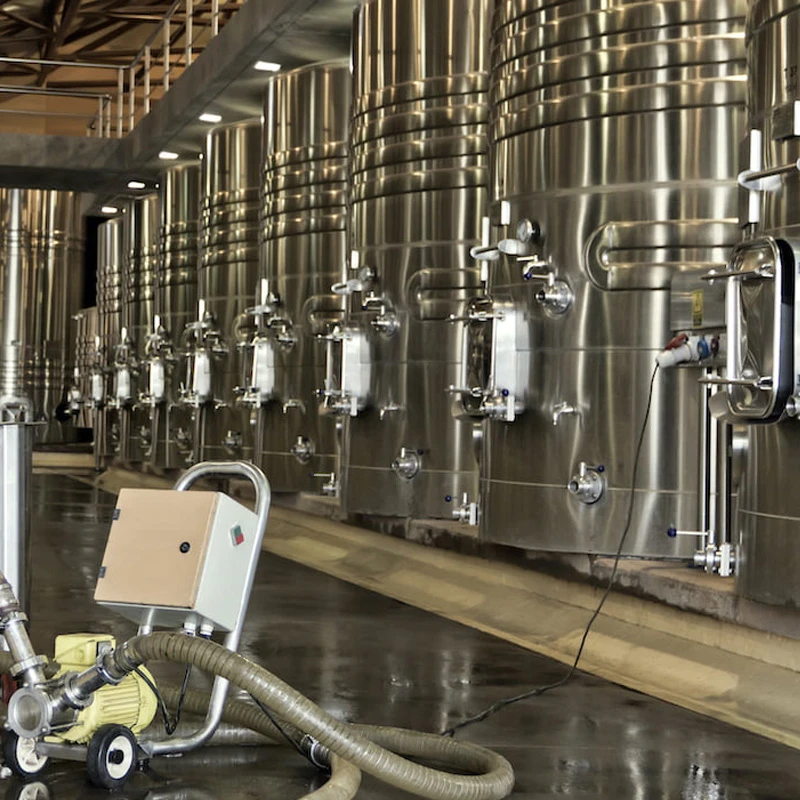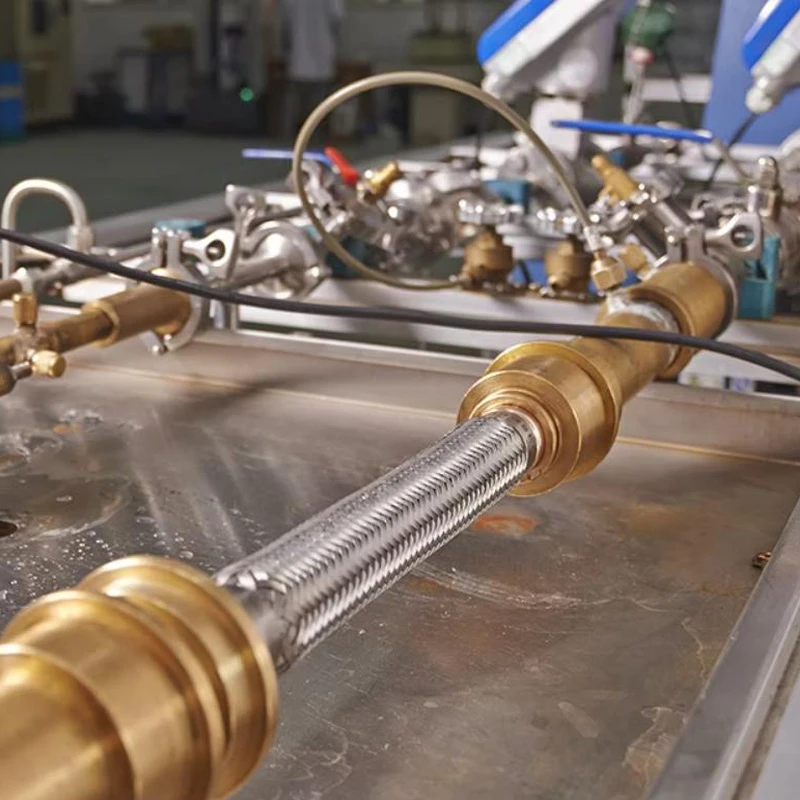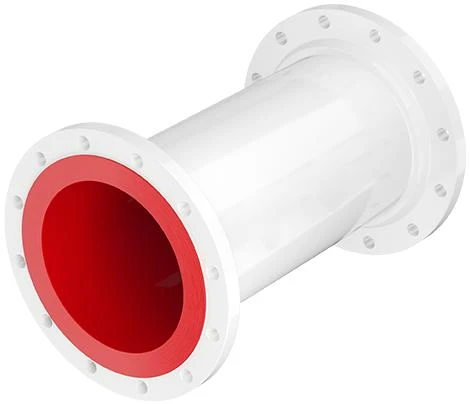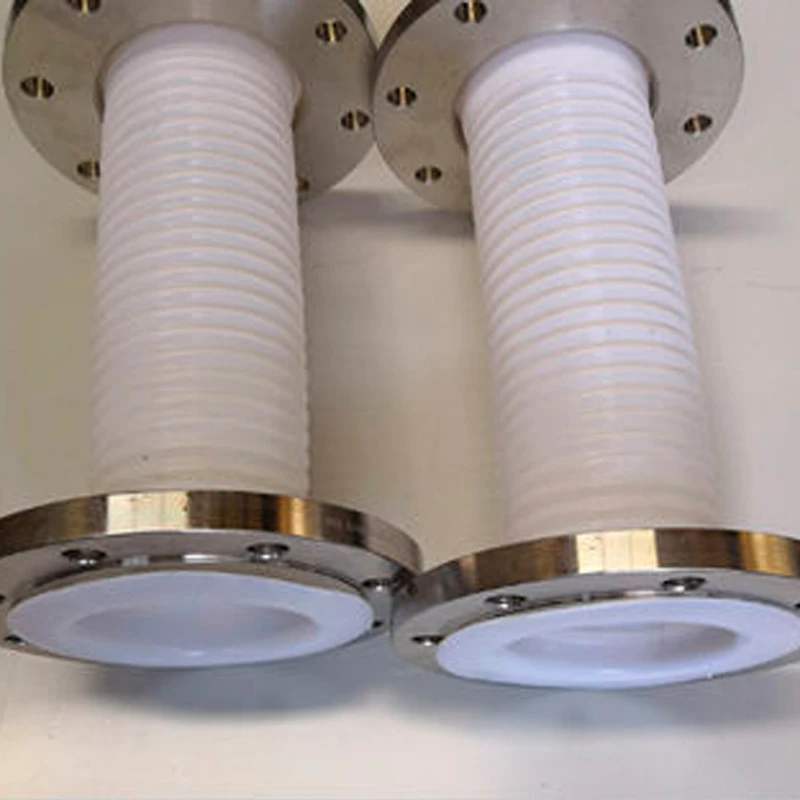
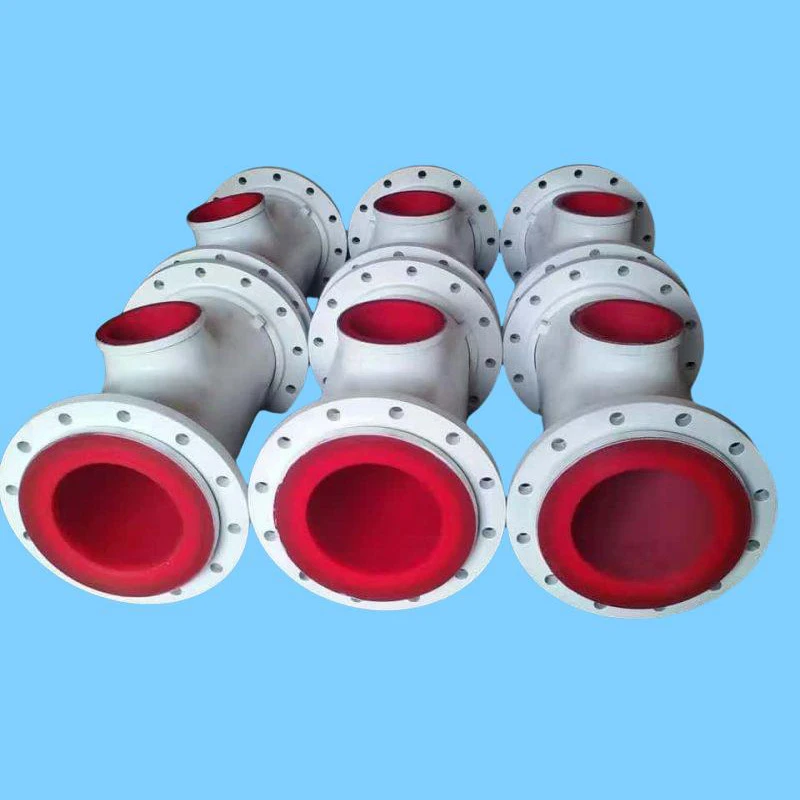
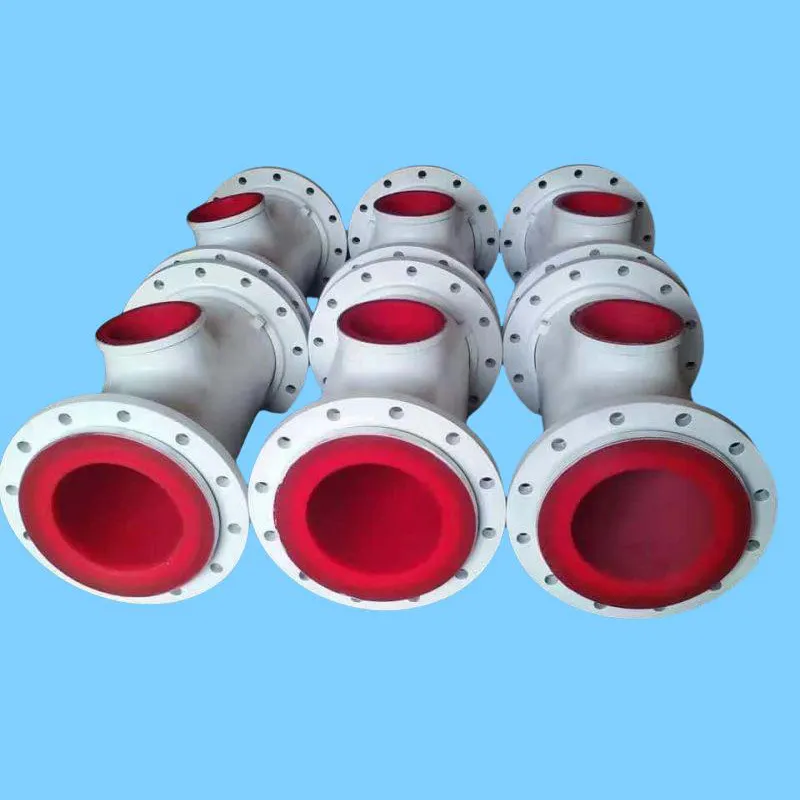
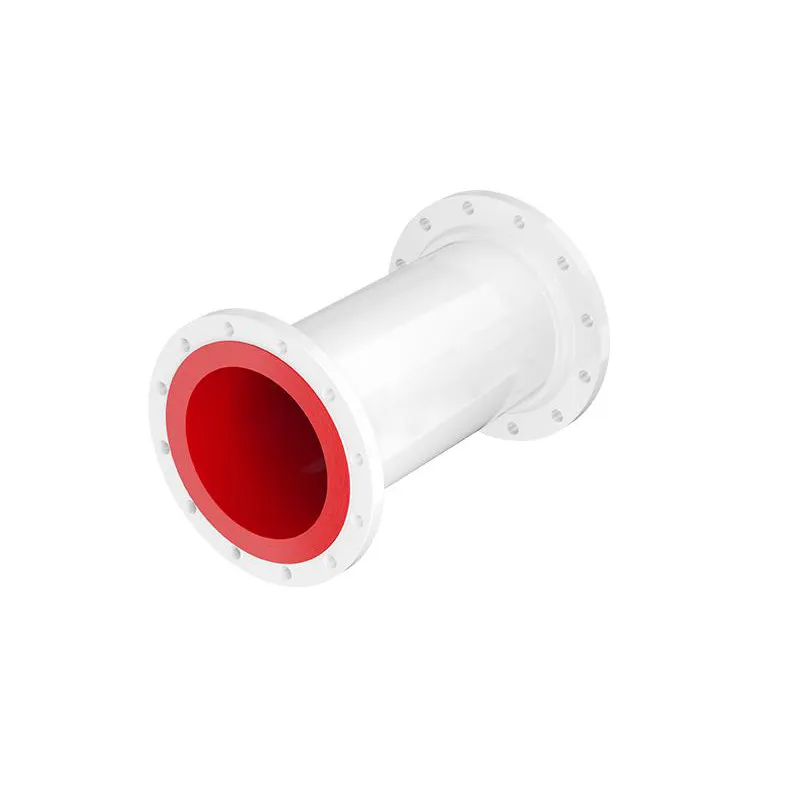
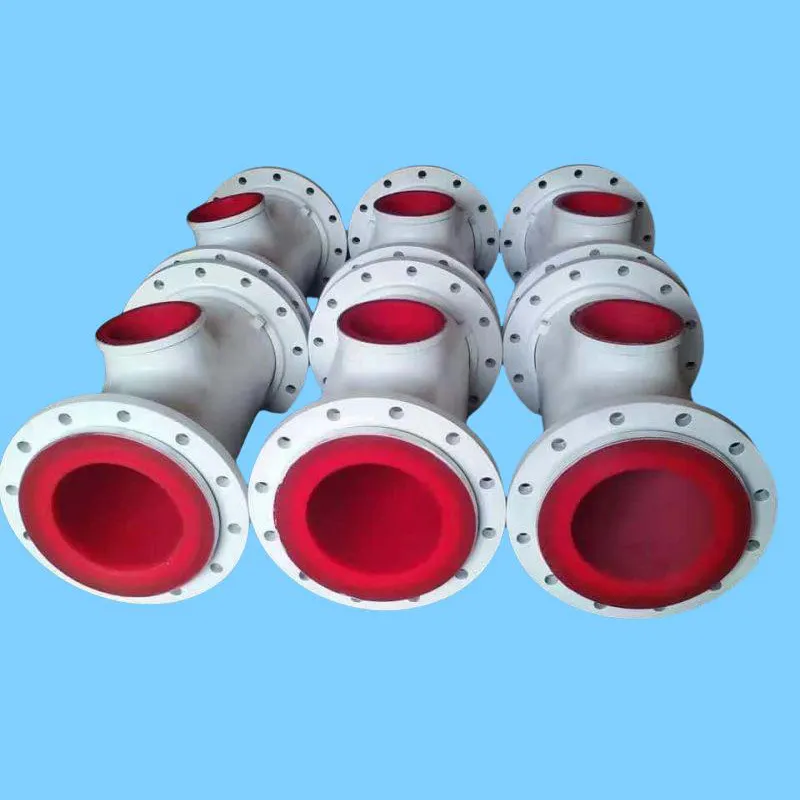
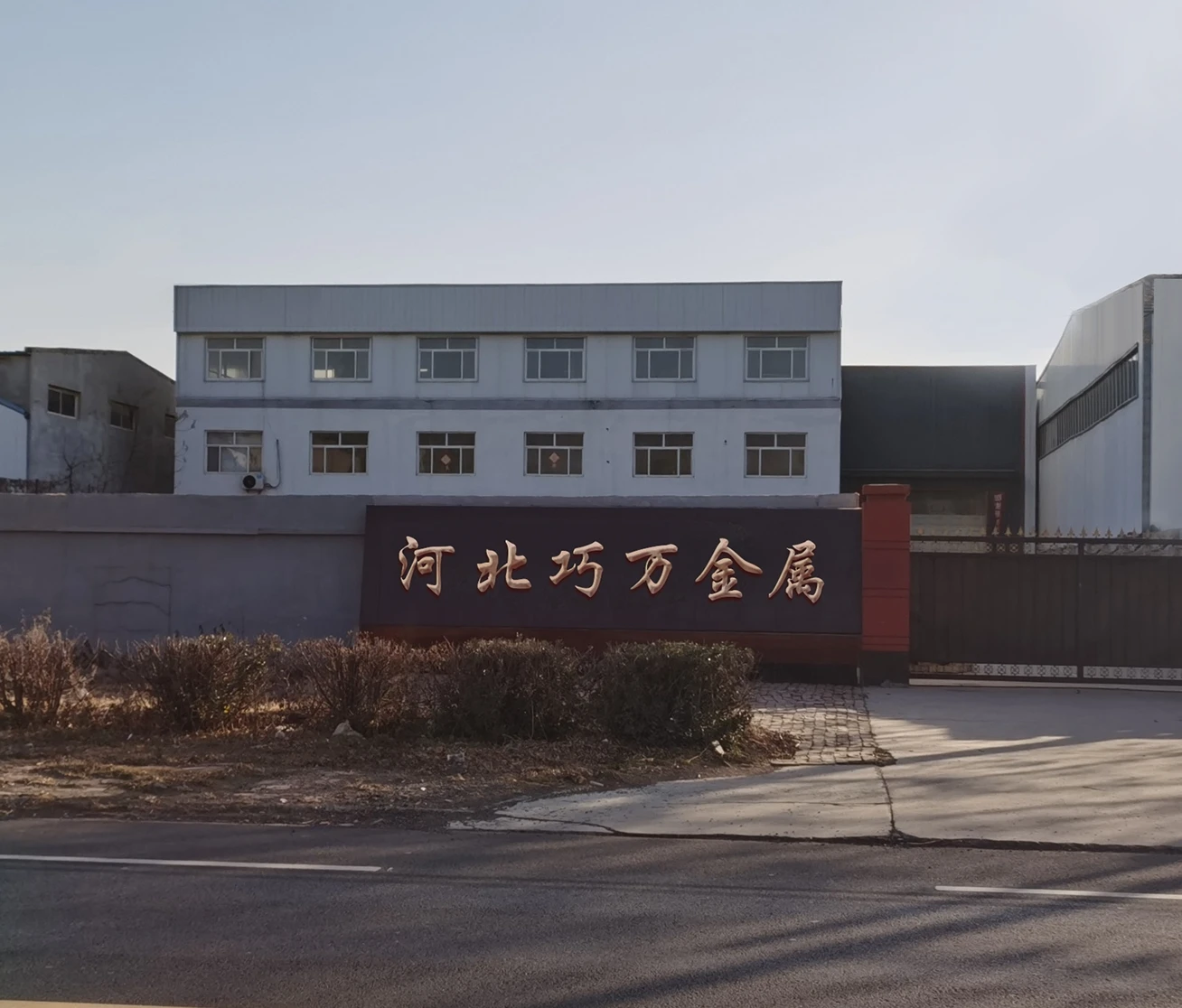
What I’m Seeing in PTFE-Lined Metal Hoses: Field Notes, Specs, and Buyer Tips The ptfe lined metal hose has quietly moved from “specialty part” to everyday workhorse in plants that handle aggressive media. In chemicals, pharma, even food oils, teams keep telling me the same thing: once they switch from rubber or plain corrugated metal to a PTFE-lined option, leak calls drop and operators breathe easier—literally. Origin story matters too. QW Metal builds in Yuqiao Village, Jingxin Street, Jing County, Hengshui City, Hebei Province—an area with a deep bench in metal hose fabrication. That regional expertise shows up in weld quality and braid uniformity, which, to be honest, you notice after a few hundred pressure cycles. Why teams choose a ptfe lined metal hose Chemical resistance to most acids, solvents, and CIP/SIP media Temp window ≈ −70°C to +260°C, spikes may be tolerated briefly Low permeation and cleanability; FDA-compliant liner options Vibration and misalignment tolerance; tighter bend radius than rigid pipe Typical product specifications Liner Virgin PTFE or Conductive (anti-static) PTFE, paste-extruded, sintered Hose Core Annular corrugated SS304/SS316 Braid Single or double SS304/SS316 wire braid Size Range DN6–DN200 (≈ 1/4"–8") Pressure Rating Up to ≈ 1.6–6.3 MPa depending on size/braid; real-world use may vary Temperature −70°C to +260°C continuous Ends Flanged (EN, ASME), NPT/BSP, Tri-clamp, Camlock, custom swivel Standards ISO 10380, GB/T 14525, FDA 21 CFR 177.1550, EU 10/2011 How it’s made and tested (short version) Materials: SS304/316 corrugated core, SS braid, PTFE liner compound, fittings (316L for sanitary). Methods: PTFE paste extrusion → sintering → vacuum draw-through into corrugated core → braid application → end-fitting swage/weld. Tests: Hydrostatic at 1.5× WP; helium mass-spectrometer leak test ≤ 1×10⁻⁶ mbar·L/s; ISO 10380 flexing cycles at rated bend radius. Service life: Often 10,000–50,000 cycles at Rmin (application dependent, media/temperature matter). Where it earns its keep Chemicals: sulfuric, HCl, caustic, MEK; loading arms and pump connections Pharma/Biotech: CIP/SIP loops, WFI transfer, sanitary transfers Food & beverage: edible oils, flavors; easy-to-clean ptfe lined metal hose with tri-clamp ends Petrochem & gas: aromatics, LNG auxiliaries, vapor recovery Cryo and high-temp duties where rubber just gives up Customization options Anti-static black liner for solvents, double-braid for higher WP, fire sleeve, heat-trace, piggable IDs, and tag/QR traceability. Many customers say QR traceability saved hours during audits. Vendor comparison at a glance Vendor QC & Testing Certs Lead Time Notes QW Metal (Hebei) Hydro 1.5×, helium leak, ISO 10380 cycles ISO 9001, FDA liner compliance, EN 10204 3.1 ≈ 10–20 days Strong on custom ends and short-run specials Vendor A Hydro only (spot helium) ISO 9001 ≈ 3–5 weeks Budget-friendly; fewer liner options Vendor B Hydro + full helium ISO 9001, PED ≈ 2–4 weeks Premium pricing; robust documentation Case note: sulfuric service, fewer shutdowns A northern plant swapped aging rubber assemblies for ptfe lined metal hose on a 93% H₂SO₄ transfer at ~80°C. After six months, maintenance logged zero permeation alarms and estimated a 12% drop in unplanned downtime. Leak test data: helium ≤ 1×10⁻⁶ mbar·L/s per assembly; no blistering after 10,000 ISO 10380 cycles at Rmin. Not flashy—but very effective. Final tip: match media, temperature, pressure, and flex cycles to the spec. If you’re moving solvents, ask for conductive liners; for sanitary lines, specify 316L ends and surface finish certs. References ISO 10380: Metallic hoses — Corrugated metal hoses and hose assemblies. FDA 21 CFR 177.1550 — Perfluorocarbon resins (PTFE) for food contact. EN 10204 — Metallic products, types of inspection documents (3.1). ASTM F1545 — Standard specification for plastic-lined fittings for corrosion resistance.